

This high-end clinic is making Sydney a longevity medicine hub
By Max Reynolds
15 September 2026
Editorial
Longevity medicine is booming worldwide as people look for cutting-edge ways to stay mentally and physically healthy for longer.
In Sydney, Longevity Medicine Institute is leading the charge with its clinic in the city’s eastern suburb of Double Bay.
Founder Adam Brown says clients, most of whom are men in finance and tech travel to the clinic from Western Australia, Victoria, South Australia as well as New Zealand for its range treatments.
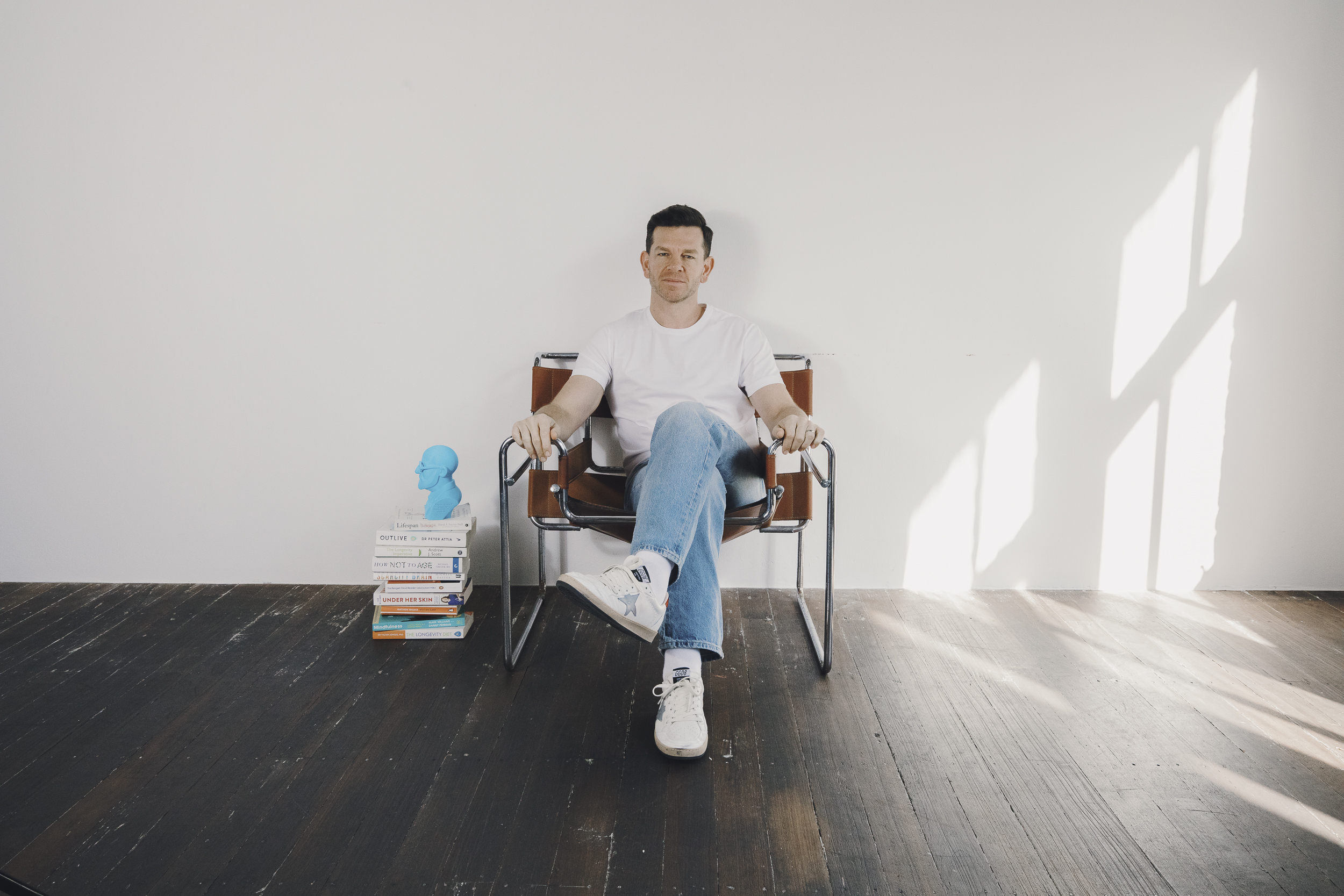
Adam Brown, a medical doctor, is pioneering longevity medicine in Australia. Pic supplied.
Brown, a medical doctor, says all of its advanced health diagnostics are conducted in-house by a team of doctors, nutritionists, physios, neuroscientists, and psychologists.
Early intervention
With a focus on early interventions to prevent chronic diseases, the clinic’s services work to lower cardio-metabolic risk, sharpen cognition, steady mood, improve sleep and recovery, build stronger muscle and bone, and reduce biological age markers over time.
The clinic’s focus, as per its site, is “a new and rapidly evolving medical speciality focused on extending the human lifespan and health span”.
This fits with growing interest in age reprogramming and cellular rejuvenation therapies.
Revolutionising the approach to age‑related diseases, such therapies target “fundamental biological processes” like genomic instability, telomere attrition, and mitochondrial dysfunction, to restore cellular function and delay onset of degenerative conditions.
Although much progress has been made, researchers note that translating some therapies used in the area “into practical healthcare solutions presents significant challenges”.
“Key issues include ensuring safety, optimizing delivery mechanisms, overcoming regulatory barriers, and addressing high costs,” one recent research paper concluded.
At his clinic, Brown says patients do an initial seven-hour session at the clinic and then are retested at intervals to make sure they stay on track.
“We catch up with them every month, three months, six months, nine months, 12 months again, and then retest when we need to,” the doctor, originally from the UK, says.
The service doesn’t come cheap, with the clinic charging up to AUD 25,000 on an annual subscription model.
As business at the Sydney clinic booms, Brown has plans to open other clinics in the city and elsewhere on Australia’s east coast.
“There's no one else who does it,” he says, referring to the clinic’s high-end offering.
In the more affordable segment, the accelerating interest in longevity medicine has sparked more private clinic and wellness centres to open in major Australian cities.
At least 100 longevity operators have opened nationwide, advertising treatments like IV drips, red light therapy, cryotherapy and hyperbaric chambers, according to local media.
Global interest
It’s part of global trend. In the US, for instance, 80% of 1000 respondents in a recent survey said they’d like to live to be 120 years old, if they were mentally and physically healthy.

Longevity Medicine Institute is one of Australia’s leading industry players. Pic Supplied
Like Longevity Medicine Institute, the in-depth care offered overseas is often via concierge clinics accepting out-of-pocket payments, according to researchers.
They say while many of approaches are still emerging and unstandardized, their popularity reflects the growing commercialisation of aging science geared to wealthy users.
But Rodrigo Perez, founder of Holistic Pro Health Performance, says there are many longevity hacks that can be accessed irrespective of income.
Perez, author of The Art of Longevity, says getting enough - and regular- sleep is one of the keys to living longer.
“Sleep like it’s a board meeting you can’t miss,” he says. “Everything else - decision-making, mood, metabolism, recovery - sits on top of it. Seven to eight hours, same wake time most days, screens off before bed. Non-negotiable.”
Another key, he says, is to “move every day, not just at the gym”.
“Executives train hard three times a week and then sit for the other 165 hours. The body adapts to what it does most. Walk, take stairs, do ten minutes of mobility in the morning. Consistency beats intensity,” he says.
In today’s fast-moving and hyper-connected world, learning to “switch” off is also critical.
“The nervous system of most executives is stuck in ‘on’,” he says.
“Slow nasal breathing for five minutes a day is the fastest lever I know to bring the body back to balance. That’s where recovery - and longevity - actually happens.”
Frequent flyer hacks
For frequent flyers, he has some particular advice when it comes to promoting longevity.
This includes warding off dehydration with water instead coffee and making sure to get some movement in before hopping onboard.
“Hip circles, a few squats, reach the arms overhead, roll the shoulders. Undo the car seat before you get into the plane seat,” he says.
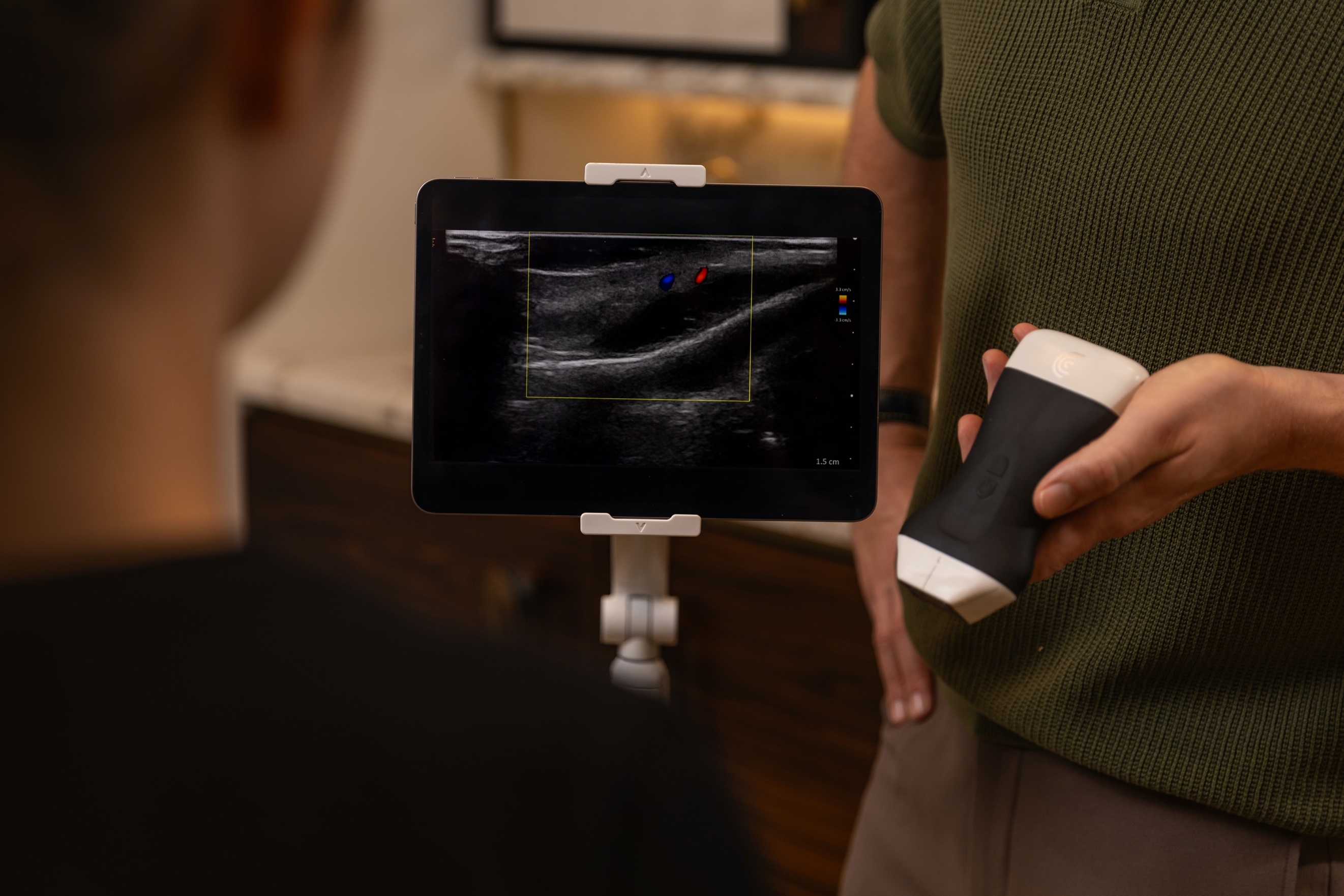
A range of ground-breaking techniques are on offer to longevity patients. Pic Supplied.
In the air, he urges passengers to focus on breathwork.
“Breathe on the flight. Five slow breaths through the nose, long exhale. It’s the cheapest stress reset there is, and nobody needs to know you’re doing it.”
Back on land, it’s a good idea to walk on arrival, Perez says.
According to the high-performance coach, spending ten minutes on foot before the first business meeting on a trip is an ideal way to settle the nervous system.
“Protect the anchors. Keep your wake time and your first meal consistent no matter the city,” he adds.
Serena Schembri, a clinical nutritionist, says as more Australians seek out longevity hacks it’s important to remember the basics.
While longevity medicine “has its place”, for many people long-term health outcomes can be improved with diet and lifestyle changes, Schembri says.
She says what longevity medicine “can't do is make up for a diet and lifestyle that don't meet your daily needs”.
“The foundations are still where I spend most of my time in clinic - community, connection and sleep carry far more weight than we give them credit for.”
When it comes to supplements, she describes them as “rarely fancy”.
“CoQ10, zinc, vitamin C, your antioxidants. The real question is whether you're getting enough for the environment you live in and for the gaps your diet is actually leaving,” the nutritionist adds.
“I always come back to the Mediterranean way of eating. Good fats, minimal processed food, plenty of fresh ingredients.”
Related Stories

Editorial
Sydney's Members' Clubs: A New Era
5 August 2026
For more than a century, Sydney’s private members’ clubs have traded on heritage, exclusivity and old-world prestige. Today, a new generation of clubs is redefining what membership can mean. These spaces are no longer simply places to network over lunch or host clients; they are designed as environments where business, wellness, hospitality and social connection intersect.
Editorial
The Business of Sleep: Inside the billion-dollar pursuit of perfect rest
By Rose Kelly
29 June 2026
For decades, success was measured by how little sleep you needed. Corporate leaders boasted about surviving on four hours a night. Entrepreneurs wore exhaustion as a badge of honour. Athletes pushed through fatigue in pursuit of marginal gains. Sleep was often viewed as an inconvenience — something that got in the way of productivity.

Editorial
6 of the Most Luxurious 5-Star Hotels in Sydney to Check Into in 2026
By Alex Keshen
6 April 2026
From sunrises over the Opera House to sunsets across Sydney Harbour, be treated to unbelievable views and unrivalled luxury from these 5-star Sydney hotels. There’s dozens of properties in the city that fit into the 5-star category, but not all are equal. These award-winning stays don’t just offer high-quality sheets and welcoming service, but amenities like hatted restaurants, complimentary transfers around the city, rooftop pools and afternoon tea service.
Editorial
Flying Private Sydney to Melbourne: How To Spend Your 120 Saved Minutes
3 March 2026
For many Australians, the Sydney-Melbourne route isn’t just an occasional trip; it’s a routine. Board meetings, client dinners, weekend visits, or simply maintaining a presence in the two cities means the journey quickly becomes part of everyday life.