


Built Different: Why Australia's Most Successful Entrepreneurs Ignored the Rulebook
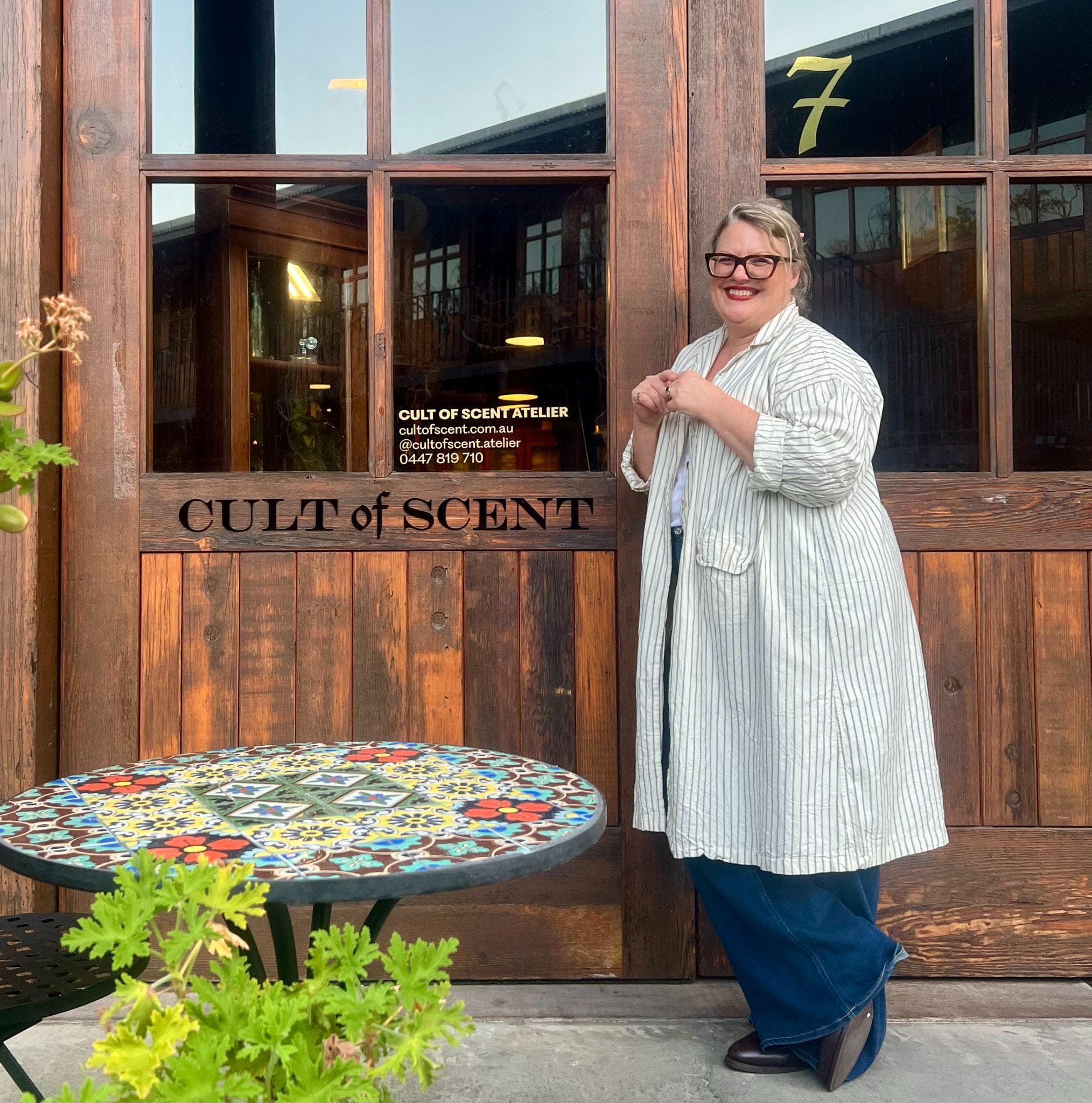
Founder of The Domestic Collective, Anthea Strachan. Image supplied
There is no shortage of advice on how to build a successful business. Every week, a new book, podcast or social media post promises the secret to entrepreneurial success, often wrapped in a familiar formula of bigger risks, longer hours and relentless ambition. Yet spend time with people who have actually built enduring businesses, and it quickly becomes clear that success rarely follows a predictable path.
Three of Australia’s top entrepreneurs, Peter Lynch, Antony Karp and Anthea Strachan have each built impressive businesses in vastly different industries. Lynch has spent decades reshaping Australia's travel media landscape, continually adapting his business to stay ahead of seismic shifts in publishing and technology. Karp has built, led and advised high-growth companies, earning a reputation as one of Australia's most respected strategic advisors through his work helping businesses navigate transformation and growth. Strachan, meanwhile, has created a thriving residential and commercial services company with a strong social purpose at its heart, proving that commercial success and meaningful community impact can grow side by side.
On paper, there is little that connects the three. One works in media, another in corporate strategy, the third in the cleaning industry. Their businesses serve different customers, operate in different markets and have been built in entirely different ways.
Yet beneath those differences lies a common thread. None of them followed a conventional path. None of them built their business by copying someone else's model.
Instead, each developed a distinct philosophy of leadership, shaped by experience, resilience and a willingness to trust their own instincts.
For Lynch, success has meant constantly reinventing both his business and himself in an industry that refuses to stand still. For Karp, it has come from disciplined execution, accountability and understanding that even the best ideas amount to little without exceptional leadership. For Strachan, entrepreneurship has become a vehicle for creating opportunities for others, building a business that measures success not only by growth, but by the positive impact it has on people's lives.
Their stories are different, but together they challenge one of the biggest myths in business: that there is a single blueprint for entrepreneurial success.
If there is one lesson these three founders share, it is that the most successful businesses are rarely built by following the rulebook. More often, they are built by having the confidence to write your own.
The Reinventor - Peter Lynch
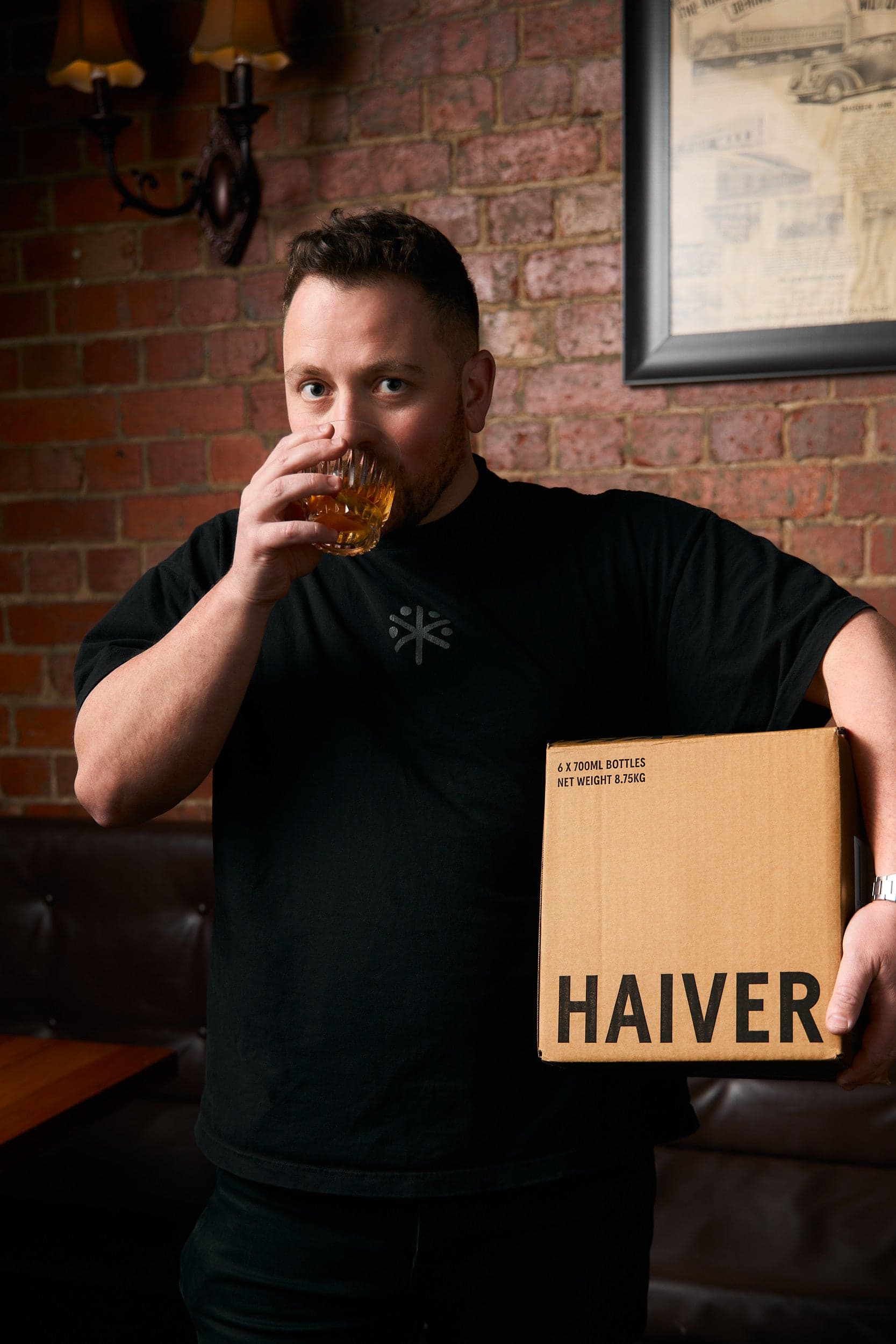
Peter Lynch, Media and Publishing Entrepreneur. Image supplied
If there is one quality that defines Peter Lynch's career, it is curiosity.
Over four decades, he has held senior media roles in London, Hong Kong, Singapore and Australia, witnessing first-hand the transformation of an industry that has arguably changed more than almost any other. Newspapers have become digital platforms, print deadlines have given way to the 24-hour news cycle, and artificial intelligence is rapidly reshaping the way audiences consume information. Through every wave of disruption, Lynch has done what successful entrepreneurs often do best: adapt before he has to.
It wasn't until two decades ago, however, that he decided to channel those years of experience into building something of his own.
"I'd spent my career reinventing businesses or creating new products for other people," he says. "In my last corporate role, I'd already worked out how I wanted to start my own business. When the company asked me to stay, it was a difficult decision. I could have continued climbing the corporate ladder, but I knew it was time to back myself."
That decision became Big Splash Media, the publishing company behind Cruise Passenger, Sydney Travel Guide and a growing portfolio of travel brands. Looking back, Lynch still smiles at one small detail from that moment in time. As a farewell gift, his team presented him with a logo for the new business. More than twenty years later, the same logo remains the face of Big Splash Media.
For many business leaders, success is built on having a long-term strategy. Lynch agrees, but believes the real challenge lies in recognising the small changes that gradually reshape an industry before everyone else notices them.
"People often talk about a lightning-bolt moment where everything changes," he says. "The reality is there isn't one. In business today, you can have two 'aha' moments before lunchtime. What you really have to watch for is creeping change. Those small shifts in customer behaviour or technology that don't seem significant at first, but eventually change everything."
That philosophy has become even more important as artificial intelligence begins to reshape publishing. Rather than seeing AI as a threat, Lynch views it as another evolution that good businesses must learn to understand.
"I'm still a news addict," he says. "Years ago, I started every day by reading newspapers from around the world. Now I'm reading about AI, digital marketing and the attention economy. I listen to podcasts, follow industry leaders and spend a lot of time talking to our clients because they're often the first to see changes in consumer behaviour."
For Lynch, listening has become one of the most underrated leadership skills. He believes successful businesses need to balance two equally important relationships: understanding their audience while never losing sight of the commercial realities that sustain the business.
"We have two masters," he explains. "Our readers and our clients. Keeping both happy is what makes the business work."
His willingness to embrace change has also shaped the way he thinks about leadership. While many established media companies struggled to adapt to digital disruption, Lynch believes the greatest risk is assuming today's success guarantees tomorrow's relevance. "If you want to know why so many big media brands disappeared," he says, "it's because they believed they had earned the right to people's attention. You never earn it permanently. You have to earn it every day."
It is perhaps the most valuable lesson of his career, and one that extends far beyond publishing. Markets evolve, technology advances and customer expectations continue to shift. Businesses that stop listening inevitably fall behind.
For anyone considering launching their own venture, however, Lynch's advice is surprisingly measured. He rejects the popular narrative that everyone should aspire to become an entrepreneur. "There's absolutely nothing wrong with being exceptional at your job and deciding that's where you're happiest," he says. "Entrepreneurship isn't for everyone, and it shouldn't be."
For those who do choose the path, his advice is simple: begin with the end in mind.
"Know why you're building the business. Is it to create a lifestyle? Is it to scale? Is it something you eventually want to sell? Those answers shape every decision you'll make."
After decades of navigating uncertainty, building businesses and embracing change, Lynch's own definition of success has remained remarkably consistent.
"Happiness," he says with a smile. "That's still my definition of success."
The Catalyst - Antony Karp
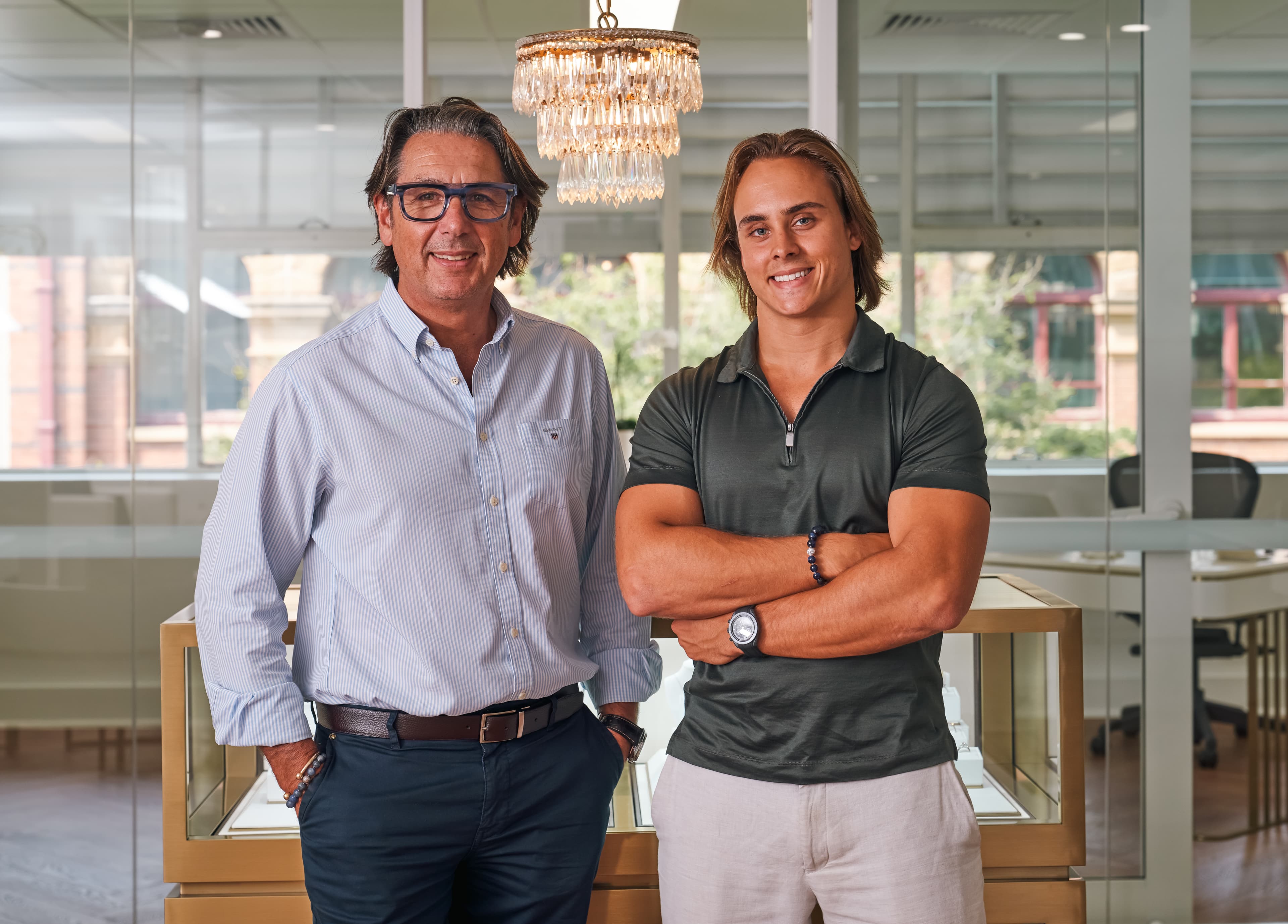
Antony Karp, Founder and Director of Tonka Group. Image supplied.
Where Peter Lynch sees patterns, Antony Karp sees potential. Over the course of his career, Karp has built, led and transformed businesses across multiple sectors, developing a reputation as one of Australia's most respected business leaders and strategic advisors. Today, as Founder and Director of Tonka Group, he works with companies on strategy, operational improvement, business transformation and growth, helping organisations navigate the opportunities and challenges that come with scaling.
Despite an impressive career that includes leading businesses valued in the hundreds of millions of dollars, Karp rejects the idea that he always dreamed of becoming an entrepreneur.
"I wouldn't say I had a passion for being an entrepreneur," he says. "I was never comfortable in a status quo type of job."
That mindset has shaped every stage of his career. While others were content maintaining what already existed, Karp found himself drawn to improvement, identifying opportunities, challenging assumptions and pushing businesses to evolve. He traces that instinct back to his first job, working in his father's sporting goods store as a teenager, where he was constantly looking for ways to outperform expectations.
"I just wanted to win," he says with a laugh. "From there I learned how to pivot towards opportunities. Sometimes I got the timing wrong, but I hated the idea of not succeeding, so I kept going until we did."
That determination would become one of the defining characteristics of his leadership style. Success, he believes, rarely comes from having the smartest idea in the room. More often, it comes from having the discipline to execute it well.
When asked what separates businesses that continue to grow from those that plateau, Karp's answer is immediate. "Passion," he says. "Companies that genuinely believe they can grow, and have a strategy that supports that growth, will succeed. The ones that rely on what worked last year, or assume they're entitled to their market position, are the ones most at risk."
For Karp, however, passion is only effective when it is paired with self-awareness. One of the biggest mistakes he sees among founders is believing they have all the answers.
"Founders often think they're good at everything," he says. "The reality is they're usually exceptional at one or two things. The best leaders understand their blind spots and surround themselves with people whose strengths complement their own."
It is advice that reflects a broader philosophy about leadership, one built on humility rather than ego. In fact, when asked about the biggest lessons of his career, Karp doesn't talk about successful acquisitions or rapid growth. Instead, he speaks about accountability.
"There have been plenty of setbacks," he says. "But the underlying lesson has always been the same. Success never is because of me. Failure is."
It's a deceptively simple statement, but one that captures the way he approaches leadership. When businesses perform well, he believes the credit belongs to the people who made it happen. When they don't, responsibility sits with the leader to recognise what isn't working, reset the course and move the business forward.
As someone who now advises founders across a broad range of industries, Karp has a front-row seat to the opportunities and challenges facing modern business. Artificial intelligence, he believes, is transforming industries at such a pace that predicting the next decade has become almost impossible. Rather than trying to forecast winners and losers, he points to sectors such as health and wellness, where changing demographics and consumer expectations are already creating enormous opportunities.
Yet despite the rapid evolution of technology, the advice he gives first-time entrepreneurs remains remarkably traditional. "Find a mentor," he says. "Have someone alongside you who can be completely objective, someone who'll help you navigate both the failures and the successes. Building a business can be incredibly lonely and having someone who's prepared to challenge your thinking is invaluable."
For Karp, success has never been about chasing the next title or transaction. It has been about building businesses that continue to grow, helping leaders unlock potential and remembering that even the strongest ideas only become meaningful when they are matched by disciplined execution.
It's a philosophy that has served him well and one that continues to shape the next generation of Australian entrepreneurs.
The Changemaker - Anthea Strachan
Anthea Strachan, Founder of The Domestic Collective. Image Supplied.
For Anthea Strachan, entrepreneurship was never about building a cleaning company.
It was about building opportunities.
Before launching Domestic Collective, Strachan spent time researching one question that kept resurfacing in conversations with women who had experienced domestic violence: what actually prevents someone from leaving? Again and again, the answers came back to financial insecurity and the very real prospect of homelessness.
Rather than simply raising awareness of the issue, she began thinking about how business itself could become part of the solution. "I never set out to build a cleaning business," she says. "It began with a much bigger purpose. Through my research and conversations with women, I came to understand that financial constraints and homelessness are two of the biggest barriers preventing women from leaving violent relationships." From that idea, Domestic Collective was born.
Today, the Australian-owned residential and commercial cleaning company has built a strong reputation for premium service, while creating meaningful employment opportunities for women rebuilding their lives after domestic violence. It is a business model that proves commercial success and social impact don't have to exist in separate worlds.
"Domestic Collective was built to provide more than employment," Strachan explains. "It creates meaningful opportunities where women can rebuild their confidence, regain their independence and work towards financial freedom."
That purpose may be what first captures people's attention, but Strachan is adamant it is not what has fuelled the company's rapid growth. "Our purpose has certainly helped us connect with people," she says, "but clients stay because we provide an outstanding service."
It's a distinction she returns to repeatedly. In an increasingly competitive market, she believes customers expect excellence before anything else. Values may open the door, but consistency, professionalism and reliability are what build long-term trust.
"I don't believe purpose and exceptional service need to be mutually exclusive," she says. "Customers expect exceptional service first and foremost, and rightly so. A strong purpose will never compensate for poor service."
That philosophy is reflected in every aspect of the business. Rather than treating cleaning as a transactional service, Domestic Collective takes a highly personalised approach, tailoring every clean to the individual needs of its residential and commercial clients. Whether it's using natural products, following manufacturer recommendations for specialist surfaces or simply taking the time to understand what matters most to each customer, the emphasis is always on delivering a premium experience.
For Strachan, however, the culture behind the business is just as important as the service itself. While creating opportunities for women rebuilding their lives remains central to Domestic Collective's mission, she has deliberately built a diverse team made up of women from many different backgrounds. The result is a workplace grounded in empathy, respect and inclusion rather than labels.
"Leading women who are rebuilding their lives has reinforced the importance of creating an environment where everyone feels safe, supported and genuinely valued," she says. "When people feel believed in, they're empowered to do their best work."
Only towards the end of our conversation does Strachan reveal how deeply personal that mission really is. Her commitment to supporting women affected by domestic violence stems not only from witnessing the experiences of people close to her, but from surviving coercive control and violence in her own first relationship.
"For me, that purpose has always been personal," she says. "It's what continues to drive every decision I make."
It's a powerful insight, yet Strachan speaks about it without seeking sympathy. Instead, she returns the conversation to the future of the business and the opportunities that continued growth creates.
"The most rewarding part has been watching Domestic Collective grow," she says. "Every new client, every new contract and every stage of growth allows us to create more employment opportunities and support more women."
Asked what advice she would offer aspiring entrepreneurs hoping to build businesses with both profit and purpose, her answer reflects the same pragmatic thinking that has underpinned Domestic Collective from the beginning.
"Start by building an exceptional business," she says. "Social impact is only sustainable if the business itself is successful. Deliver real value, look after your customers and create a strong commercial foundation. Then make sure your purpose is authentic. It has to be something you're genuinely passionate about, not something created for marketing."
It's advice that encapsulates her approach to entrepreneurship. Purpose may have inspired Domestic Collective, but excellence is what continues to drive its success.
No Rulebook Required
Spend enough time interviewing successful entrepreneurs and one thing quickly becomes apparent: the businesses may be different, but the qualities that underpin them are remarkably consistent.
Curiosity. Resilience. Accountability. The willingness to adapt when circumstances change and the confidence to trust your own judgement when there is no obvious path forward.
Peter Lynch has built his career by recognising that standing still is rarely an option. In an industry that has been transformed time and again by technology, his willingness to listen, evolve and embrace change has allowed his business to stay relevant while others have struggled to keep pace.
Antony Karp's success has come from a different philosophy. Throughout his career, he has demonstrated that great businesses are rarely built on ideas alone. They are built by leaders who take responsibility, understand their limitations, surround themselves with exceptional people and execute with discipline.
For Anthea Strachan, entrepreneurship has become something more than commercial success. Domestic Collective is proof that businesses can deliver outstanding customer experiences while creating genuine social impact, provided purpose is authentic and supported by operational excellence.
Three entrepreneurs.
Three industries.
Three entirely different journeys.
Yet perhaps the most striking similarity is that none of them set out to follow a formula for success. Each responded to the opportunities in front of them, trusted their instincts and built businesses that reflected their own values rather than someone else's expectations.
In an age where social media is saturated with business gurus promising shortcuts to success and artificial intelligence can generate endless lists of entrepreneurial advice, their stories offer something far more valuable: perspective.
There is no perfect blueprint.
There is no universal playbook.
Success is rarely about copying someone else's journey.
It comes from understanding your own strengths, surrounding yourself with the right people, remaining curious enough to keep learning and courageous enough to make decisions when there are no guarantees.
Perhaps that's why Peter Lynch, Antony Karp and Anthea Strachan have each succeeded in such different ways. They didn't ignore the rulebook because they wanted to be different. They simply understood that the most enduring businesses are built by people prepared to write their own.