The Business of Sleep: Inside the billion-dollar pursuit of perfect rest
By Rose Kelly
29 June 2026
Editorial

Sleep tourism has joined the new sleep arms race: Image courtesy of Miraval Arizona Resort and Spa
For decades, success was measured by how little sleep you needed.
Corporate leaders boasted about surviving on four hours a night. Entrepreneurs wore exhaustion as a badge of honour. Athletes pushed through fatigue in pursuit of marginal gains. Sleep was often viewed as an inconvenience — something that got in the way of productivity.
Today, that mindset has been turned on its head.
"We've perhaps changed what we say, if not yet what we do," says Dr Matthew Walker, Professor of Neuroscience and Psychology at UC Berkeley.
"A decade ago, surviving on four hours was worn like a medal — proof of ambition, grit, seriousness. That medal has quietly been retired, and I'm grateful for it."
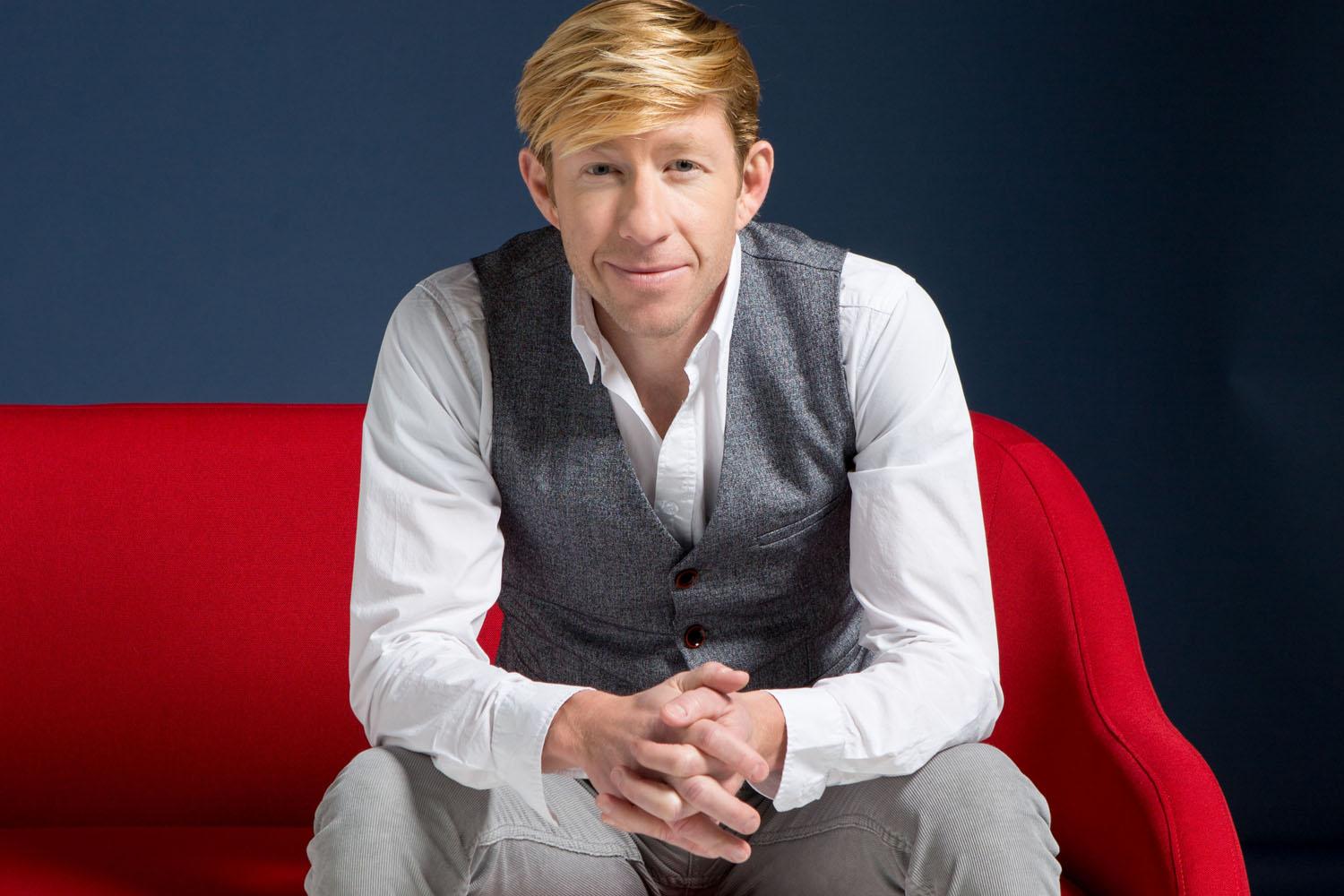
Dr Matthew Walker, Neuroscientist, UC Berkeley. Image supplied
The world's highest performers are now spending extraordinary sums of money chasing better sleep. Luxury hotels offer sleep concierges. Elite athletes wear biometric devices that track recovery overnight. Executives are installing circadian lighting systems in their homes, booking specialist sleep retreats and consulting neuroscientists to optimise their rest.
What was once considered downtime has become one of the most sought-after forms of self-improvement.
The result is a booming sleep economy encompassing everything from wearable technology and smart mattresses to neurological recovery programs, AI-powered health platforms and luxury wellness tourism. Sleep is no longer viewed simply as recovery. It is increasingly being marketed as a pathway to longevity, cognitive enhancement and peak performance.
But beneath the glossy marketing lies an important question: how much of this movement is grounded in science, and how much is simply another industry capitalising on our desire to perform better, think faster and live longer?
A PERFORMANCE REVOLUTION
The shift reflects a broader cultural change in how sleep is perceived.
Research has linked healthy sleep to improved memory, learning, emotional regulation, immune function, hormone balance and cognitive performance. In elite sport, recovery has become as important as training itself. Professional teams now employ sleep specialists alongside nutritionists and strength coaches, using sleep data to help athletes manage travel, jet lag and recovery. Corporate leaders have adopted a similar mindset.
Wearable technologies such as WHOOP and Oura now provide users with nightly recovery scores measuring everything from heart-rate variability and respiratory rate to sleep stages and recovery readiness. The promise is compelling: better sleep equals better performance. Walker believes society has largely accepted the science.
"The culture now understands, at least in principle, that sleep is not the absence of productivity but the foundation of it," he says.
"But understanding sleep's importance and obtaining it are not the same thing. We have won the argument. We are still learning to honour it."
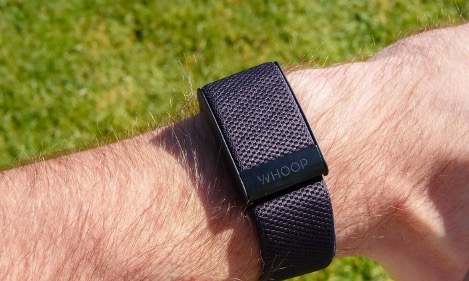
Whoop technology captures recovery scores. Image: Android Police
THE SCIENCE THAT STACKS UP
Not all sleep interventions are created equal. Among the most evidence-based developments is circadian lighting. Scientists have long understood that light plays a critical role in regulating the body's internal clock. Exposure to natural light in the morning helps synchronise circadian rhythms, while excessive artificial light at night can suppress melatonin production and delay sleep onset.
This has fuelled growing demand for circadian lighting systems in luxury homes, offices and hotels. Similarly, wearable sleep trackers have become increasingly sophisticated. While consumer devices cannot match the accuracy of clinical sleep laboratories, they can provide valuable insights into patterns and behaviours. Yet Walker warns consumers to approach the market with a critical eye. "Both, and the ratio depends entirely on the evidence behind the product," he says when asked whether the sleep-optimisation industry is helping people or exploiting them.
"The good actors are democratising things that used to live only in a sleep lab. The trouble is that sleep sells, and a compelling story will always outrun a clinical trial. My rule is simple: ask for the data, not the testimonial."
THE NEW SLEEP ARMS RACE
If the first generation of sleep optimisation was about understanding sleep, the next generation is about engineering it. Around the world, scientists, luxury wellness operators and technology companies are experimenting with increasingly sophisticated ways to enhance recovery while we sleep.
Sleep tourism is emerging as one of the fastest-growing sectors within the wellness industry. Luxury resorts now offer dedicated sleep programs featuring biometric assessments, circadian rhythm analysis, sleep coaching and personalised recovery plans.

AI Powered Smart Bed. Image: Heka Sleep Australia
Meanwhile, smart bedroom technology is becoming increasingly advanced. The latest generation of AI-powered mattresses can automatically adjust temperature and support throughout the night. Some systems create individual sleep environments for couples, maintaining different temperatures on each side of the bed.
Perhaps the most intriguing developments are occurring in neurotechnology.
Researchers are exploring sound-based stimulation delivered during deep sleep to enhance memory consolidation. Others are investigating gentle electrical stimulation designed to strengthen slow-wave sleep, the stage most closely associated with physical recovery and brain restoration.
For Walker, however, the most exciting innovation lies elsewhere. "The thing that excites me most is closing the loop between measurement and medicine," he says.
"Right now your sleep data sits in one world and your treatment sits in another, and almost nothing connects them."
He envisions a future where sleep monitoring provides clinical-grade diagnostics, feeding directly into personalised treatment pathways. "Sleep moving from something we passively track to something that helps improve our sleep, and when needed, can actually diagnose and treat with precision. That's a future I think would be rather incredible."
THE RISE OF SLEEP LUXURY
Yet simplicity rarely drives billion-dollar industries. The market now includes AI-powered sleep coaches, neurostimulation devices, temperature-regulating mattresses, specialised supplements and luxury bedding brands promising deeper rest and faster recovery.
Critics argue that many products overstate their scientific credibility. Walker reserves particular scepticism for products that promise to replace sleep itself. "The category I'd treat with the most suspicion is anything sold on the premise that you can hack your way to less sleep with no cost," he says. "You can't shortcut the biology. The honest products help you get the sleep you need; the dishonest ones imply you need less of it."
He is equally wary of the growing pursuit of perfection. "'Perfect' is the wrong target, and chasing it can backfire," he says. "Healthy sleep is not flawless sleep. Even good sleepers wake briefly through the night and have rough patches."
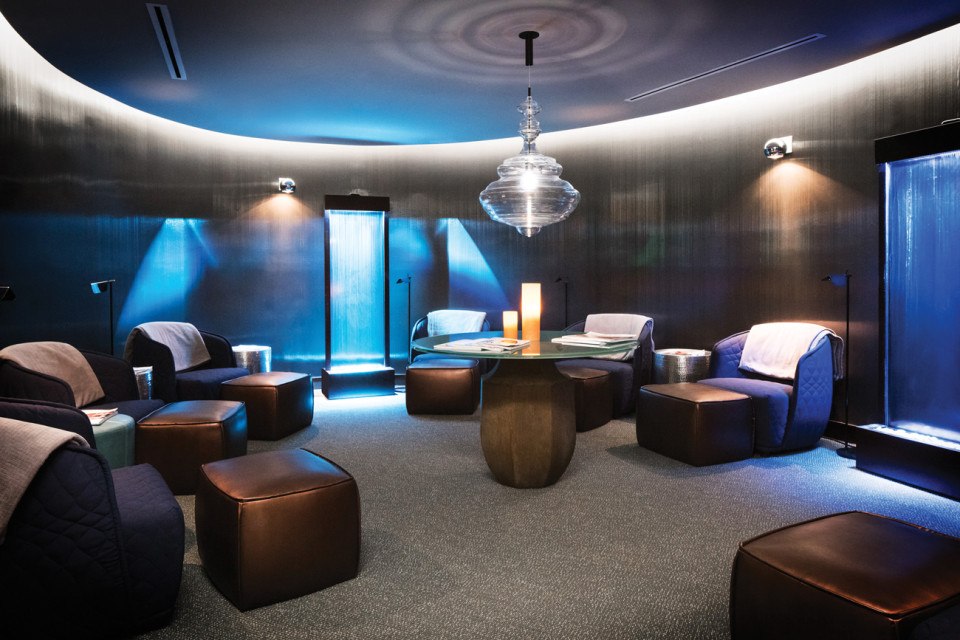
Example of a Relaxation Room at the Underground Spa & Wellness Logan Hotel: Image courtesy of the Logan Hotel
A NEW STATUS SYMBOL
Perhaps the most fascinating aspect of the sleep economy is what it says about modern society.
Historically, wealth signalled freedom from physical labour. Later, it became associated with busyness and constant availability. Today, the ability to achieve eight uninterrupted hours of quality sleep may be becoming its own marker of privilege.
After all, good sleep often requires resources: flexible schedules, reduced stress, comfortable living conditions and access to healthcare. Yet Walker is uncomfortable with the idea of sleep becoming a luxury product. "It's being sold as one, which worries me, because sleep is a biological necessity and a right, not a luxury good," he says. "The danger isn't expensive mattresses; it's the message that good sleep is something you buy rather than something you protect."
Perhaps nowhere is that tension more evident than in the rise of sleep tracking. A growing number of clinicians are warning about orthosomnia — anxiety caused by obsessively chasing the perfect sleep score.
"We may already be there," Walker says. "A number on your wrist should inform you, not govern you. If your tracker is keeping you up at night, that is a beautiful and tragic irony."
When Walker published his best-selling book Why We Sleep in 2017, his mission was to convince people that sleep mattered. Nearly a decade later, he believes that battle has largely been won.
"The new chapter would be about discernment," he says. "How to tell the science from the salesmanship, the intervention with evidence behind it from the one with only a story. Awareness was the first battle. Discernment is the next one."
And perhaps that is the central irony of the modern sleep economy. While technology companies continue developing increasingly sophisticated ways to measure, score and optimise our sleep, the foundations of healthy sleep remain remarkably simple: consistency, darkness, movement, routine and time to switch off. The science may be less exciting than the marketing. But it is almost certainly more valuable.
Related Stories
Editorial
Robot Dogs Are Coming to Australian Sport. The Real Question Is Whether We'll Use Them to Our Advantage
By Rose Kelly
28 June 2026
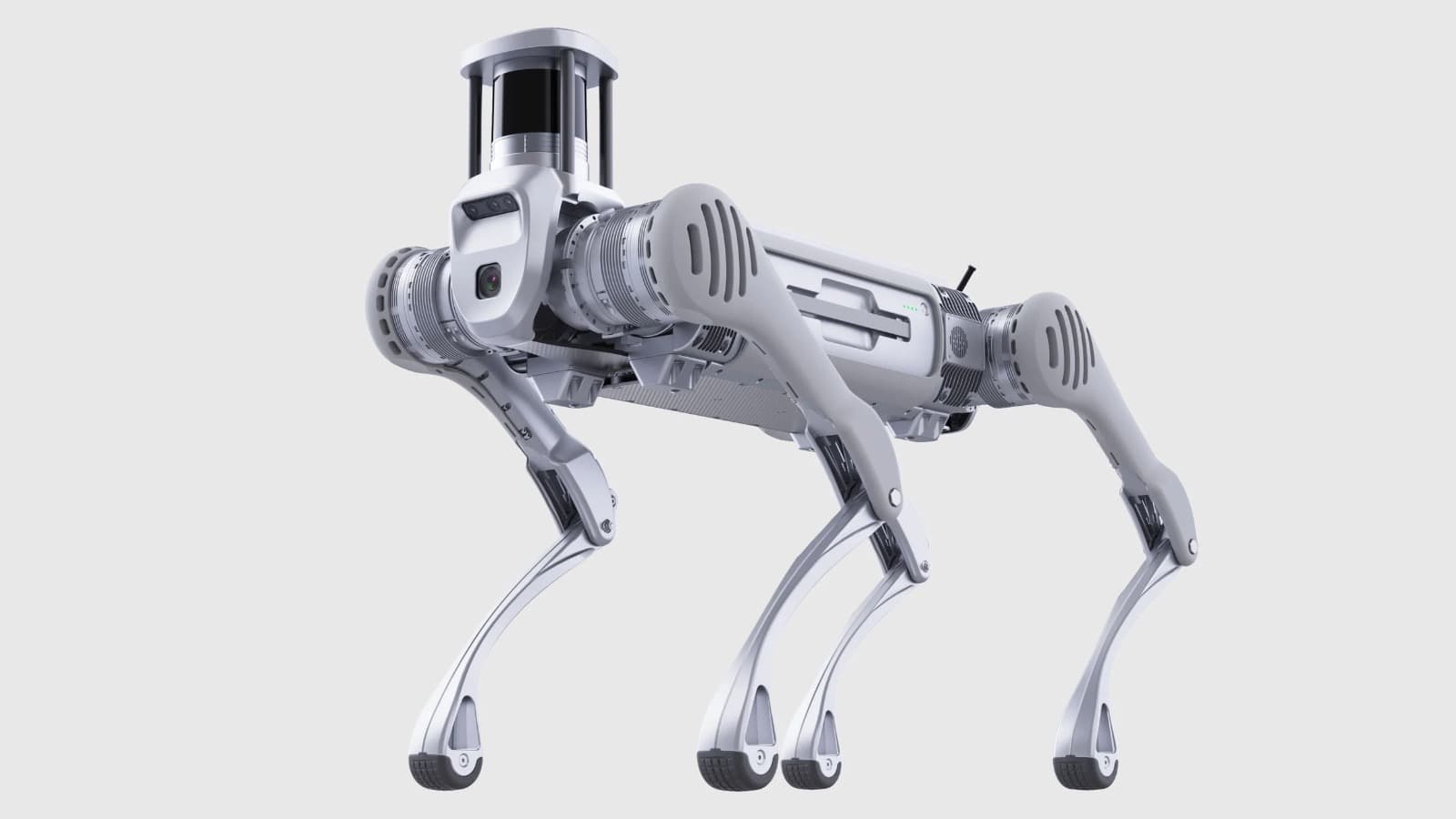
Is this the new face of Australian sport? Image: Quadruped Robot supplied by Boston Dynamics There is a moment in every technological revolution when the technology itself stops being the story. The internet was once the story. Then social media became the story. Then artificial intelligence dominated the conversation. Eventually, however, the novelty fades and a more important question emerges: once we start using the latest technology, will we use it to its greatest potential? That question is beginning to confront Australian sport as quadruped robots, better known as "robot dogs", are starting to appearing in high-performance environments. At first glance, the concept feels almost absurd. Robot dogs pacing the sidelines, gathering insights from angles and positions that coaches, referees and athletes can’t. They aren’t there to replace existing technology but rather to enhance it, adding another layer to the already complex ecosystem of performance analysis. Prenten AI is an Australian autonomous AI and robotics company preparing to introduce the first quadruped robots into Australian sporting environments. Co-founder Sally Walkom says the technology was originally intended for construction, mining and infrastructure projects, where robots could collect data in environments considered unsafe for humans. Following discussions with Australian sporting icon Anthony Mundine, the company's focus expanded into high-performance sport. "The quadrupeds can help in sports to understand physics and images, to understand cause and effect in a physical sense," Walkom says. "That can then help a coach predict and simulate outcomes." Sally Walkom, Co-Founder of Prenten AI. Image supplied IS THIS AN UNFAIR ADVANTAGE IN SPORT? When asked whether such technology creates an unfair advantage, Walkom argues that elite sport has long embraced performance-enhancing technology. "For those who want to buy in, it's available to everyone. It's the same as a GPS tracker; it's just the reality now of sport. It's not necessarily about who has access to this or not. It's moved beyond that." It's true. Australian athletes are already among the most monitored humans on Earth. Elite footballers wear GPS trackers that record every sprint, acceleration and deceleration. Training sessions are filmed from multiple angles. Wearable sensors track workload, fatigue and physiological responses. Teams employ analysts, sports scientists, performance coaches and data specialists whose sole purpose is to turn information into competitive advantage. Against that backdrop, it is fair to ask whether sport really needs a four-legged robot roaming the sidelines carrying cameras, LiDAR sensors and artificial intelligence systems. The answer depends on whether Australian sport has a data gap or a decision-making gap. For more than a decade, elite sport has operated on the assumption that more information leads to better outcomes. The logic is compelling. If coaches can measure more variables, they should be able to make better decisions. If athletes can be monitored more precisely, injuries should become more preventable. If tactical movements can be analysed in greater detail, performance should improve. The results, however, have been mixed. Sport has become extraordinarily effective at collecting information. It is less clear whether it has become equally effective at interpreting it. AUSSIE SPORT AND TECH Every professional sporting organisation in Australia now sits on vast quantities of performance data. The challenge facing coaches is rarely a lack of information. More often, it is determining which information actually matters. This is where the arrival of quadruped robots becomes interesting. Their advocates argue these machines are not simply another gadget. They represent a new type of mobile sensing platform capable of gathering information from places and perspectives that fixed cameras and traditional wearables can’t. They can move independently through training environments, navigate complex spaces and potentially provide richer views of athlete movement, tactical structures and team behaviour. Viewed through that lens, robot dogs are not replacing existing technology. They are extending it. Yet even if the technology works exactly as promised, a larger question remains unresolved: will better data produce better sport? History suggests the answer is not straightforward. The teams that consistently outperform their rivals are rarely those with access to the most information. They are the organisations that build cultures capable of transforming information into action. The greatest coaches are not remembered for the sophistication of their spreadsheets but for making the right decisions at the right moments. Technology can inform those decisions, but it cannot replace judgment. The distinction matters because elite sport may be approaching a point of diminishing returns in data collection. Every new sensor, camera and analytical platform promises deeper insights and a competitive edge. Yet every additional layer of information can also introduce complexity. More data does not automatically translate into better decisions. Sam Robertson is Adjunct Professor at the University of Queensland and specialises in athlete tracking, decision-support systems, analytics and human-technology integration. He argues that more data doesn’t necessarily change decisions. “People have been temporal data in sports research for a little while already.” Rather, he says that advanced spatial temporal component of sports research (information that captures where something happens and how it changes over time) is relatively new, and this is where the advantage is. “The visual element allows us to look at why things happened, not just what happened. Meaning we can now use machines to assess risk. Providing these multiple sources of data is pretty much the priority for every team sport in the world at the moment.” Quadruped Robots originally intended for construction and mining works. Image CR Kennedy WHO OWNS THE DATA? The economics of the technology also raise questions. Walkom says Prenten AI intends to lease the quadruped robots for approximately $10,000 per month, including technical support and programming tools. While that figure may be manageable for professional organisations, it is likely to remain beyond the reach of many grassroots clubs and sporting programs. Then there is the issue of ownership. If robots are constantly collecting information about athletes, training environments and tactical systems, who controls the resulting data? "One of the fears we are seeing is around where the data capture goes and who owns it," Walkom says. "The answer is that it's captured by the sensors that you individually add, and therefore it's owned by you. We simply own the robot. You own the programming and software." These questions extend beyond technology. If athletes are increasingly competing within systems designed to quantify every aspect of human performance, how many metrics should determine readiness? How much surveillance is too much? At what point does performance monitoring begin to influence behaviour itself? These are not technological questions. They are human ones. The arrival of autonomous robotic systems forces decision-makers in sport to confront them more directly than ever before. It also exposes a broader philosophical challenge. Sport occupies a unique place in Australian culture because it celebrates qualities that resist easy measurement. Courage, instinct, leadership, resilience and creativity remain central to athletic achievement despite decades of technological advancement. DOES DATA GUARANTEE PERFORMANCE? The most memorable sporting moments often occur precisely because they defy statistical probability. No dataset predicted Cathy Freeman's emotional impact on a nation. No algorithm can fully explain why one athlete thrives under immense pressure while another falters. The danger is not that technology will replace human performance. It cannot. The greater risk is that organisations become so focused on measuring what is quantifiable that they overlook what remains immeasurable. None of this suggests innovation should be resisted. Australian sport has a long history of embracing new technologies. From sports science programs and biomechanical analysis to advanced recovery monitoring, innovation has helped transform the nation into one of the world's most successful sporting powers relative to its population size. Refusing to explore emerging technologies would be both naïve and strategically reckless. Nations preparing for Brisbane 2032 are investing heavily in artificial intelligence, robotics and advanced analytics. Australia cannot afford to stand still while competitors move forward. However, innovation should not be confused with inevitability. Every new technology deserves scrutiny, not because progress is dangerous, but because progress without purpose rarely delivers what it promises. The emergence of quadruped robots in Australian sport feels significant not because of the robots themselves, but because they arrive at a moment when sport must decide whether its next competitive advantage comes from collecting more information or from understanding the information it already has. The technology will undoubtedly become more sophisticated. The robots will become smarter, faster and more capable. The question is whether they help coaches make better decisions, athletes perform better and sporting organisations operate more effectively. If the answer is yes, their adoption will be justified. If the answer is no, they risk becoming another example of a phenomenon increasingly common across professional sport: technology searching for a problem to solve. Ultimately, the greatest competitive advantage has never been technology itself. It has always been the ability to understand what the technology is actually telling us. As robot dogs begin walking onto Australian training fields, that lesson may prove more important than any data they collect.
Editorial
Digital detox: for these execs winter’s the perfect time to switch off
By Max Reynolds
25 June 2026
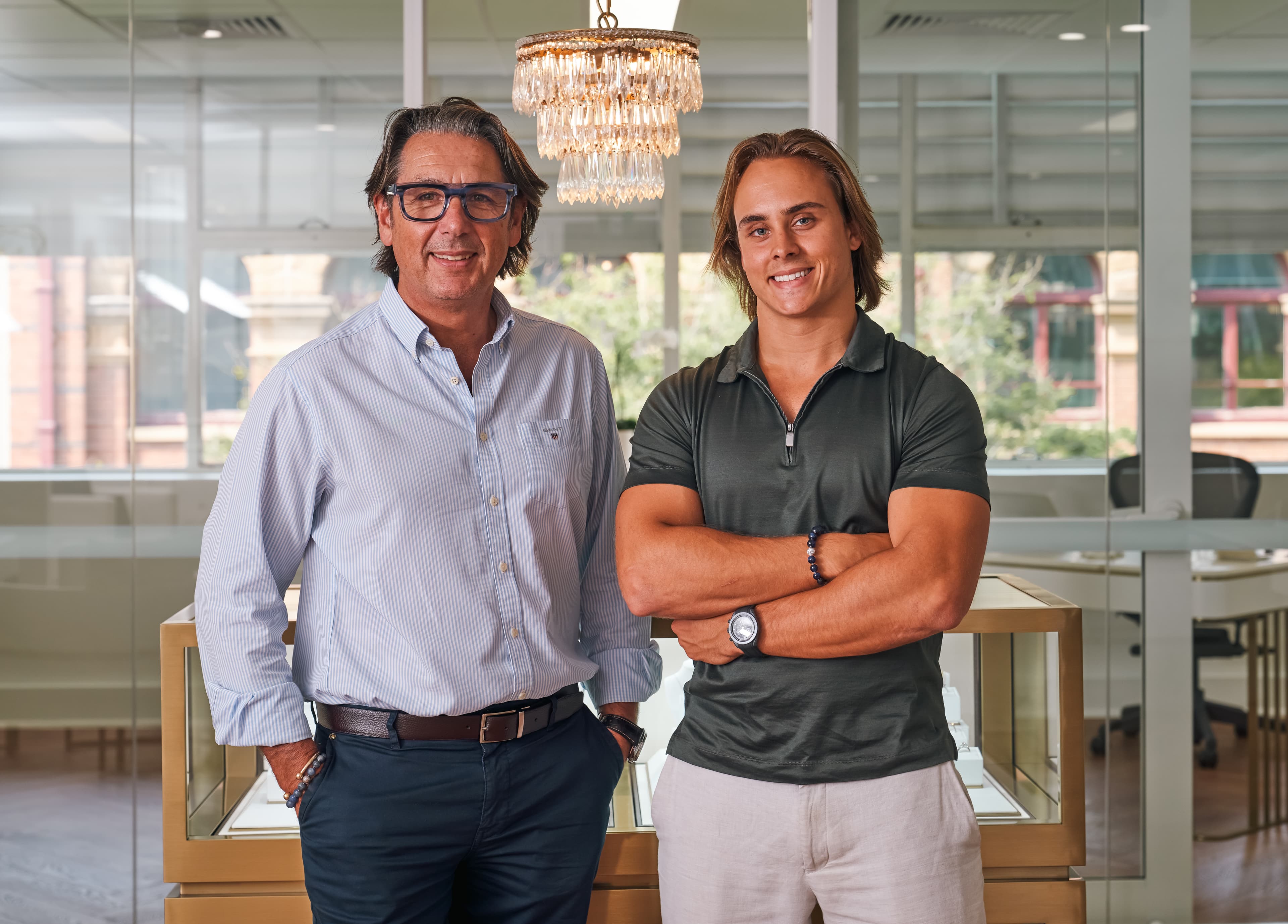
Nick Ireland relishes his work as one of Australia’s leading jewellers. Even so, the diamond retailer says it’s critical, from time to time, to get away from the office for a digital detox. Winter is the ideal time to escape devices, and the cold, for the European summer, he says. Nick Ireland likes to head to Europe to recharge Brisbane-based Ireland says staying off the phone and email on vacation helps “catching up with my family and having some down time visiting new places." “It’s a great break and gives a new lease of life for the July 1 start for a new financial year,” he says. “A large amount of our time is spent not only making fabulous jewellery but with our website developer, SEO team, and marketing team as well as brainstorming, discussing and implementing new ideas. “So the downtime experienced in June from both day to day physical work and being away from major IT decisions is a welcome reprieve to which I feel completely rejuvenated when I return.” It’s a bonus, he says, that the studio’s operations can be left “in the capable hands of my son Zac”, allowing time off with “no phone, nice long walks on the beach with our dogs and a swim of course.” Ireland and son Zac Ireland at their Brisbane showroom Tailoring a digital detox to personal circumstances is one of the big keys to success, says Jamieson Private Wealth founder Alex Jamieson. The Melbourne-based financial planner, who likes to escape the city with family and no devices, often times his winter digital detox with the Kings Birthday long weekend. A big upside is that the timing aligns with wider community expectations of less communication over the three-day public holiday, he says. Alex Jamieson sees gains from digital detoxes “To some degree a three-day weekend to reset yourself is something I’ve developed over quite some time, and it’s a really valuable trait to have,” he says. There’s “a culturally alignment” on taking some time off, meaning “there’s the expectation that you’re probably not going to be around to answer stuff.” Even so, he concedes that it can be tough to find the time to down digital tools in a fast-paced and demanding sector like financial services. “For me personally because of the intense type of work that we do the ability to disengage and recharge in more micro settings, as opposed to ‘I need to go away to an ashram for a week’ is an actual skill to develop,” he says. “It’s something more paramount because you’re building those abilities to get away for those periods to disconnect.” Jamieson makes time to get away from screens At the same time, he urges executives keen for a break to ensure they’re clear on expectations before shutting off tech, even for just a few days. This includes handing over duties to key staff and not relying on a basic out of office email. “The level of being wired in is being amplified on the back of community expectations and so you have to create a more constructive period of time where you put the phone down, turn off and walk away from it.,” he says. Jack Kapoor, CEO of Sydney-based Agile Energy, also keeps it brief when digital detoxing. “I wouldn't say I'm someone who disappears onto a farm for two weeks with a journal and a yoga mat,” Kapoor says. “My version of a digital detox is getting completely absorbed in something that has nothing to do with notifications, emails or energy contracts. “Usually that means spending time with family, getting out with mates, travelling, enjoying a long lunch, or opening a good bottle of wine from the cellar.” To enforce digital downtime, he often heads somewhere with bad phone reception. “If I'm lucky enough to get away, somewhere with poor phone reception is surprisingly effective,” he says. “It's amazing how quickly you realise the world keeps turning even when you don't answer an email for a few hours. He points to winter, and especially the end of the financial year, as a perfect time to reset, offering a chance to reassess priorities and clear “digital clutter” built up since January. That’s essential, he says, given how much digital correspondence accumulates daily. “As a founder and CEO, my day is effectively a constant stream of information,” he says. “Emails, Teams messages, WhatsApp, calls, market updates, board papers, financial reports and now AI tools that can generate answers, reports and analysis in seconds. “Technology has become incredibly good at demanding our attention. The challenge today isn't accessing information—it's filtering it.” For Kapoor, the upside of a winter digital detox makes it worth the time, pointing to key gains on creative thinking and out-of-the-box solutions. “The most valuable ideas rarely arrive while you're responding to your 127th email of the day. They arrive when your mind finally has room to wander. “One thing I've learned in business is that when you're too close to a process, you stop seeing its flaws. The same applies to technology and AI. We become so focused on using the tools that we rarely stop and ask whether we're using them effectively.” “Sometimes the most productive thing a leader can do is spend an hour with no screen, no notifications and no AI prompts—just thinking,” he adds. The comments fit with recent research into the benefits of digital detoxes. For instance, a landmark 2024 study in US-based medical science journal Cureus found that many of those who take time off from screens and devices made positive lifestyle changes and achieved health-related outcomes. These were maintained after the detox ended. “The notion of "digital detox" is gaining popularity as a means to combat technological anxiety and its effects on both happiness and performance,” the research found. While some people have initial apprehensions, many end up enjoying the process, according to the research, which highlights the importance of a personalised approach.

Editorial
Welcome to Australia's Longevity Boom: Inside the Industry Helping Affluent Australians Live and Stay Sharp
By Tully Smyth
23 June 2026
There is a man in Sydney who wears a continuous glucose monitor on his arm at all times. He is not diabetic. He is 47, worth north of $30 million, and he is, in his words, "optimising." He knows his VO2 max the way he knows his EBITDA. He sleeps at 9:30pm, tracks his heart rate variability every morning, and last month paid $3,800 for a full-body MRI he did not need by any conventional medical measure, but wanted anyway. He is not unusual anymore. He is, increasingly, the norm. Australia is in the middle of a quiet revolution - not political, not technological, but biological. The country's highest earners have stopped asking "how do I live well?" and started asking something far more audacious: "How do I live to 100, and stay sharp and vital the entire way there?" Welcome to the longevity boom. The New Status Symbol Is Your Biological Age For a certain tier of Australian entrepreneurs, the dinner party conversation has shifted. Superannuation returns still come up. But so does Zone 2 training, rapamycin, and the precise grip strength threshold that predicts survival better than almost any other single metric. VO2 max, once the preserve of elite cyclists, has become a boardroom talking point. Moving your score from the bottom 25th percentile to just above average is associated with a 50% reduction in all-cause mortality. People are paying to know exactly where they sit. Clinics have noticed. Sydney's Longevity Medicine Institute offers VO2 max testing, gut microbiome analysis, biological age clocks, MRI and CT imaging, and comprehensive blood panels, with biodata indexed against age peers so clients know precisely where they are tracking and where they can improve. In Melbourne, MeasureUp frames DEXA scans, VO2 max testing, and grip strength measurement not as fitness scorecards, but as longevity investments. At the top end, Everlab screens for over 1,000 diseases, analyses 100-plus biomarkers, and has already partnered with BHP and KPMG to deliver programs to senior leadership. This is not preventative healthcare in any traditional sense. This is premium lifestyle infrastructure. The Prophets and the Protocols No single figure has done more to bring longevity into mainstream consciousness than Dr. Peter Attia, physician, former McKinsey consultant, and host of The Drive podcast. His 2023 book Outlive has sold over two million copies. It covers what exercise zones to train in for peak performance, why grip strength matters, and how to reduce the risk of what Attia calls “the four horsemen of ageing”: cardiovascular disease, cancer, metabolic dysfunction, and degenerative neurological disorders. His core argument resonates with anyone who has built something: mainstream healthcare intervenes too late. To outlive disease, treat the individual rather than the average, and deploy a multi-domain approach - exercise, nutrition, sleep, and emotional health - long before symptoms arrive. Then there is Bryan Johnson. The tech entrepreneur spends $2 million a year on a program aimed at reversing his biological age, his days filled with health tests and exercise, in bed alone by 8pm. His Project Blueprint has become the extreme end of a spectrum that is rapidly shifting towards the mainstream. Bank of America analysts have pegged the broader longevity market opportunity at around $600 billion. You may find him excessive. But a growing number of Australians are quietly asking: is he actually wrong? The Tech Stack of the Body The tools available to the longevity-curious Australian have expanded fast. Continuous glucose monitors, once exclusive to people managing diabetes, are now worn by healthy executives chasing metabolic clarity. Vively, an Australian app, has built a business around CGM adoption in non-diabetic populations, helping users understand how their bodies respond to stress, sleep deprivation, alcohol, and food in real time. Cold plunge and sauna protocols have been absorbed entirely into the longevity mainstream. Recovery studios have opened across Melbourne and Sydney. And peptides, short chains of amino acids that act as biological messengers, represent the frontier the more adventurous are already exploring. Recovery stacks combining BPC-157 and TB-500 target connective tissue repair and inflammation, while performance stacks aim to enhance growth hormone release and support lean mass. Australian GPs who specialise here are careful to note that the theoretical biology is interesting, but human outcome data remains early. Physiology operates within ranges for a reason. That nuance does not always slow uptake among a cohort accustomed to moving fast and iterating. What the Science Actually Says The most honest voices in this space will tell you: there is no proven intervention that extends human lifespan beyond what excellent sleep, regular exercise, a whole-food diet, and meaningful social connection can already achieve. The fundamentals remain unglamorous. Zone 2 cardio, three to four hours per week at a conversational pace, is the foundation of metabolic health. Strength training is the most important exercise for longevity. You cannot out-supplement a poor lifestyle. The expensive programs and wearable stacks are, at their best, precision tools for people who have already built that foundation. At their worst, they are costly ways to feel productive about your own mortality. The Australian Moment What is clear is that Australia is developing its own longevity infrastructure at pace. A new generation of GP-led practices is treating ageing not as an inevitable decline to manage, but as a condition to address proactively, personally, and early. The field is scaling faster than its foundations, and 2026 will be about standards, training, and restraint - or letting the loudest voices define it. For the country's high-earners and entrepreneurs, the calculus is simple. They have spent decades accumulating capital. Now they want the one thing capital cannot conventionally buy: time. The longevity industry is selling more years. The market is everyone. And the Australians with the resources to get in early are already at the front of the queue. Further reading and listening: ● Outlive: The Science and Art of Longevity - Peter Attia MD ● The Drive Podcast - Peter Attia ● Huberman Lab Podcast - Andrew Huberman ● Vively - Australian CGM app ● MeasureUp - DEXA and VO2 max testing, Sydney and Brisbane ● Longevity Medicine Institute - Sydney